
Grow Schools to Cities 2024 – 2025
Take Action Global is proud to partner with U.S. communities to support cities and schools in Urban and Community Forestry initiatives. As part of the program, cities and schools work together in a 2-month guided tree planting collaborative experience.
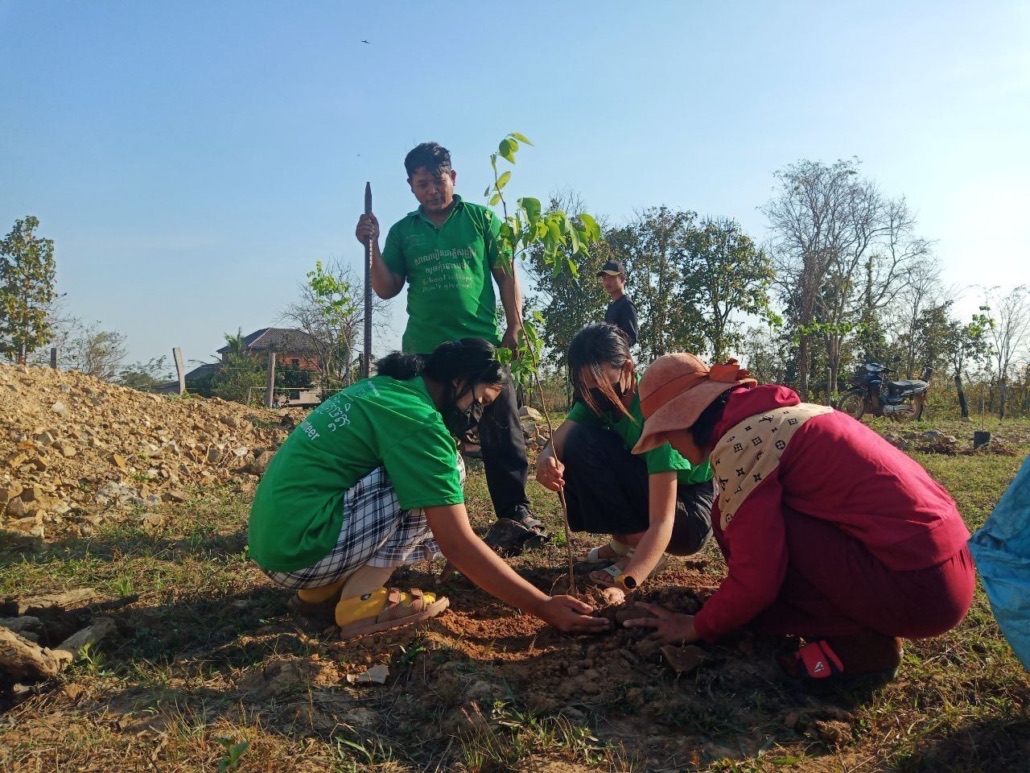
Connecting Schools and Cities in Tree Planting Initiatives
Cohort 1: March – May 2024
Cohort 2: October – December 2024
Open to Cities and Schools in Participating Communities
- Grow the Change through engaging learning
- Collaborate with like minded Community Members
- Utilize an array of resources and Tree Planting Learning Assets
- Earn a Certificate, Tree Plaque, and Banner
- Become a valuable member of our Tree Planting community
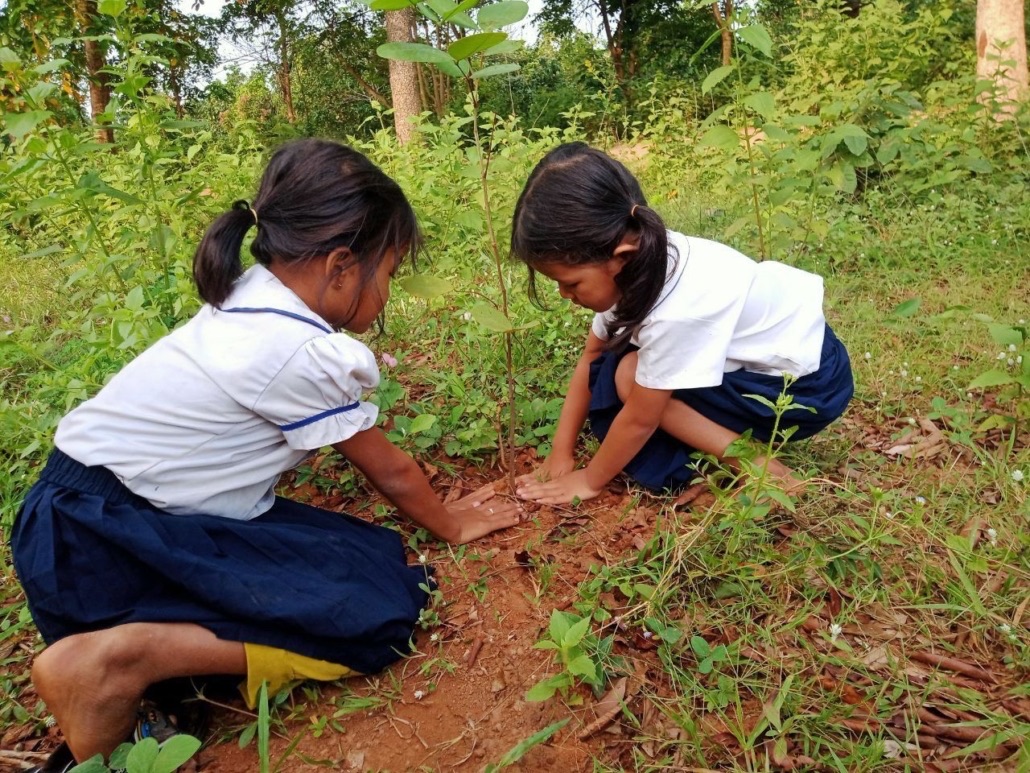
City Government’s Role in Fostering Sustainable Communities Through Reforestation
Benefits for City Governments
Educational Opportunities
Partnering with schools allows students to actively participate in tree planting, fostering environmental awareness and a sense of responsibility. Tree-related projects can provide valuable opportunities for students to learn about science, technology, engineering, and mathematics. Involving schools encourages young citizens to take an interest in local government and environmental issues.
Community Building
Taking part in the organization of tree planting ceremonies can be a unifying community event that promotes civic pride and a sense of belonging. Shared activities like tree planting can strengthen community bonds and promote neighborly interactions. Involving residents in reforestation efforts fosters a sense of ownership and stewardship over their environment and community.
Long-Term Sustainability
A robust tree canopy can mitigate the impacts of extreme weather events, such as heatwaves and flooding. Trees can beautify urban areas, making them more attractive and livable for residents and visitors. Engaging in reforestation demonstrates the city’s commitment to sustainable practices and environmental responsibility, which can boost its reputation and appeal.
Environmental Benefits
Trees are natural carbon sinks, absorbing and storing carbon dioxide from the atmosphere, helping combat climate change. Trees filter pollutants and release oxygen, leading to cleaner and healthier air for residents. Reforestation can promote local wildlife habitat, supporting biodiversity and ecosystem resilience.
The Educational Benefits of School Participation in Reforestation Programs
Benefits for schools
Environmental Education
Participating in tree planting and maintenance provides students with real-world environmental experiences, enhancing their understanding of ecological concepts. Involvement in reforestation programs fosters a sense of responsibility for the environment and helps students grasp the importance of sustainability.
Curriculum Enhancement
Tree-related projects can be integrated into various subjects, including science, math, geography, and art, enriching the curriculum. Students can apply science, technology, engineering, and mathematics knowledge to practical, meaningful tasks related to tree planting and care.
Community Engagement
Participation in tree planting ceremonies and community initiatives encourages students to become active and engaged citizens. Students learn to work together with peers, teachers, and community members, fostering valuable social and interpersonal skills.
Health and Well-Being
Tree planting involves physical activity and outdoor experiences, promoting a healthy lifestyle among students. Spending time in green spaces and engaging with nature can reduce stress and improve mental health.
Long-Term Impact
Students can take pride in their contributions to reforestation and become lifelong stewards of the environment. Participating in community-based tree planting programs helps students feel connected to and responsible for their local environment.
Career Development
Exposure to environmental projects can inspire students to pursue careers in fields like forestry, ecology, conservation, and urban planning. Skills acquired through tree reforestation programs, such as teamwork, problem-solving, and project management, are valuable in various professions.
Community Impact
Students actively contribute to the improvement of their community by making it more attractive and sustainable. Student-led projects and initiatives can raise awareness and support for environmental causes within the local community.
Environmental Ethics
Participation in tree reforestation fosters a sense of environmental ethics and responsibility for the well-being of the planet.Students learn the importance of sustainable practices and can influence their families and peers to adopt eco-friendly behaviors.
Program At A Glance
MONTH 1:
Week 1
30 minutes
Digital Welcome Kit Planting
Welcome packet
Welcome video
Collection of Lessons
Week 2
30-90 minutes
Trees & Ecosystems
Interactive Lessons
Hands on Experiment
Local Ecosystems
Week 3
60-90 minutes
The Science of Trees
Explore Tree Biology
Photosynthesis
NGSS aligned
Week 4
60-90 minutes
Planning the Tree
Resource Allocation
Budgets
Identify Locations
MONTH 2:
Week 1
30 minutes
Environmental Advocacy
Guest Speaker
Create and Share
Published library
Week 2
30-90 minutes
Tree Planting Preparation
Hands on Lessons
Tree planting techniques
tree species
Week 3
90-120 minutes
Tree Planting Day
Tree planting event
Document the Event
Lessons Learned
Week 4
60-90 minutes
Reflection & Impact Assessment
Evaluate the success
Analyze Data
Future Sustainability
Program Features for Schools
Asynchronous Learning: Participants can access materials and complete activities at their own pace within the 8-week period.
Alignment with NGSS: Curriculum standards are integrated into the program to enhance science education.
Tree Planting Day: A hands-on, culminating event where students apply their knowledge and make a positive environmental impact.
Environmental Advocacy: Encourages students to become advocates for the environment and sustainability.
Flexibility: Suitable for elementary, middle, and high school levels, with content adjusted for grade appropriateness.
Collaborative Networking: Engage in opportunities for cities to collaborate and share best practices with each educational institution, fostering a network of environmentally conscious municipalities.
Environmental Awards and Recognition: Engage in an awards program to recognize and celebrate cities’ achievements in sustainability and environmental stewardship.
Expert Consultation: Make environmental experts available to consult with city leaders and provide guidance on specific sustainability projects or challenges.
Program Features for Cities
Local Environmental Projects: Encourage schools to initiate and support local environmental projects, such as community gardens, recycling programs, or energy efficiency initiatives, with guidance and resources from the program.
Citywide Sustainability Assessment: Receive tools and resources for cities to conduct assessments of their environmental impact and develop sustainability plans that align with the program’s goals.
Community Engagement: Participate in community engagement activities that encourage residents to get involved in environmental advocacy and sustainability efforts, such as tree planting initiatives.
Resources for Local Policymakers: Receive resources and research materials to help local policymakers make informed decisions on environmentally friendly policies and regulations.
Collaborative Networking: Engage in opportunities for cities to collaborate and share best practices with each educational institution, fostering a network of environmentally conscious municipalities.
Environmental Awards and Recognition: Engage in an awards program to recognize and celebrate cities’ achievements in sustainability and environmental stewardship.
Community Outreach and Education Campaigns: Utilize marketing materials and campaigns that cities can use to educate their residents about environmental issues and promote sustainable behaviors.
Partnerships
For City and School Partnership Opportunities, please contact Lindsay Zilly at [email protected]
Cohort 1: March – May 2024
Cohort 2: October – December 2024